Who Pays for Plumbing Repairs Rental QLD
Renting is the norm in Zillmere, so who pays for plumbing repairs in a rental QLD household is a question we field weekly. The short answer: the owner or manager covers repairs, and the tenant reports faults and pays only what the agreement says.
If we're late, $100 comes off your bill

- Licensed and InsuredEvery job done by a licensed plumber. QBCC No: 15024607
- Fixed Quote FirstFlat-rate pricing, agreed before any work starts
- Lifetime Labour WarrantyBacked by our Fix-It-or-It's-Free guarantee (T&Cs apply)
- $0 Call-Out FeesNo extra charge for nights, weekends or public holidays
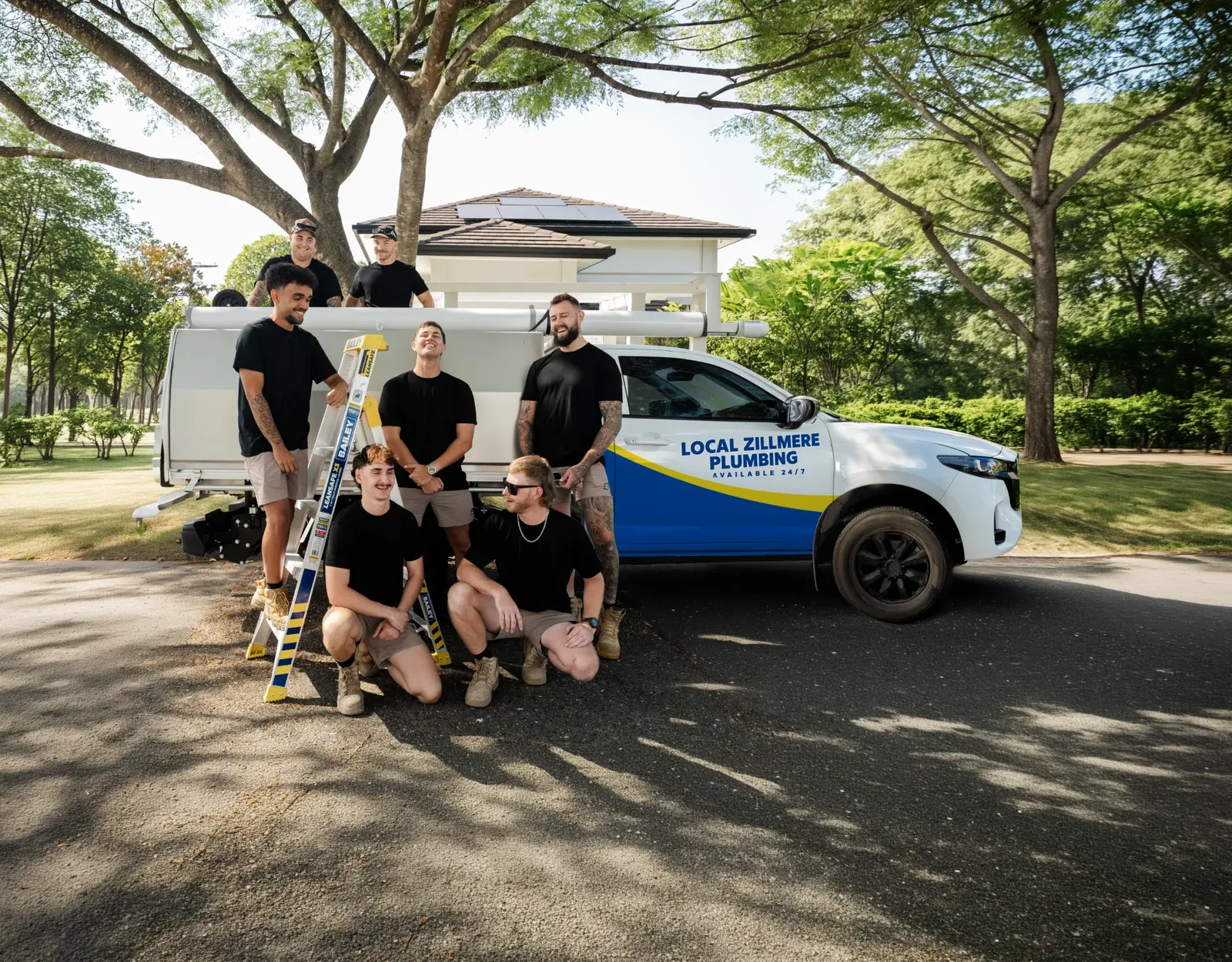
Census figures put outright ownership at just 18.2 per cent of homes here, with another 26.4 per cent carrying a mortgage. Most houses near Zillmere station and the streets around it have a landlord somewhere in the picture.
The rules come from the Residential Tenancies and Rooming Accommodation Act 2008, which splits every fault into two kinds: emergency repairs and routine repairs. Each kind has its own contacts, timeframes and payment path, and this guide walks through both.
Who Has to Fix a Rental Plumbing Fault
Under the Act, the owner or manager must keep the rental in good repair for the whole tenancy, and the tenant has to report a fault as soon as possible. A repair starts with that report, and a routine repair then happens within a reasonable time.
Any repair the Act leaves off the emergency list counts as routine. A dripping tap, a slow drain or a running cistern sits in that bucket.
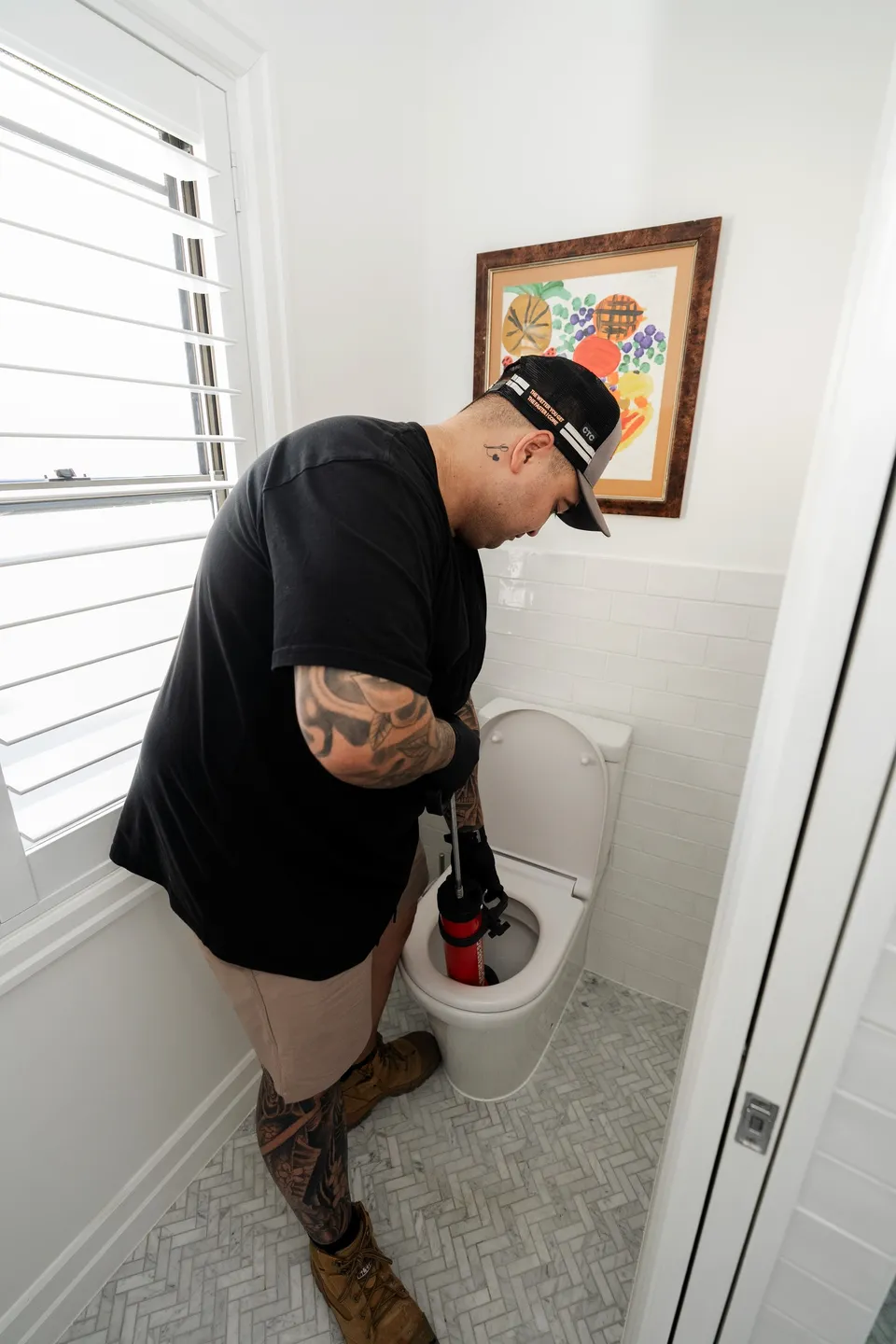
Only a few very minor jobs are open to a tenant without a licensee: changing a shower head, replacing tap washers and swapping toilet cistern washers. Everything beyond that short list needs a licensed plumber.
A tenant wanting a fixture attached or a structural change made needs the owner's written approval on Form 23 first, and such a request should not be unreasonably refused.

Getting an Emergency Repair Repaid
The cap is 4 weeks' rent. When the emergency contact cannot be reached within a reasonable timeframe, a tenant or manager can have the repair done by someone suitably qualified, up to that limit.
The repayment path runs on paperwork:
- The tenant hands the owner or manager the invoice or receipt.
- The tenant requests the money in writing.
- Under the Act, the owner or manager must reimburse the tenant or pay the invoice inside seven days.
A property manager who pays for the repair has another option. The manager may take the cost, up to 4 weeks' rent, out of the rent already paid, then pass what is left to the owner.
Plumbing Faults the Law Calls Emergencies
The Act's emergency list covers the plumbing and gas faults that cannot wait:
- a water service that bursts, or a serious leak on that service
- a toilet out of action because it is blocked or broken
- a gas leak
- the gas or water supply failing or breaking down
- flooding and serious flood damage
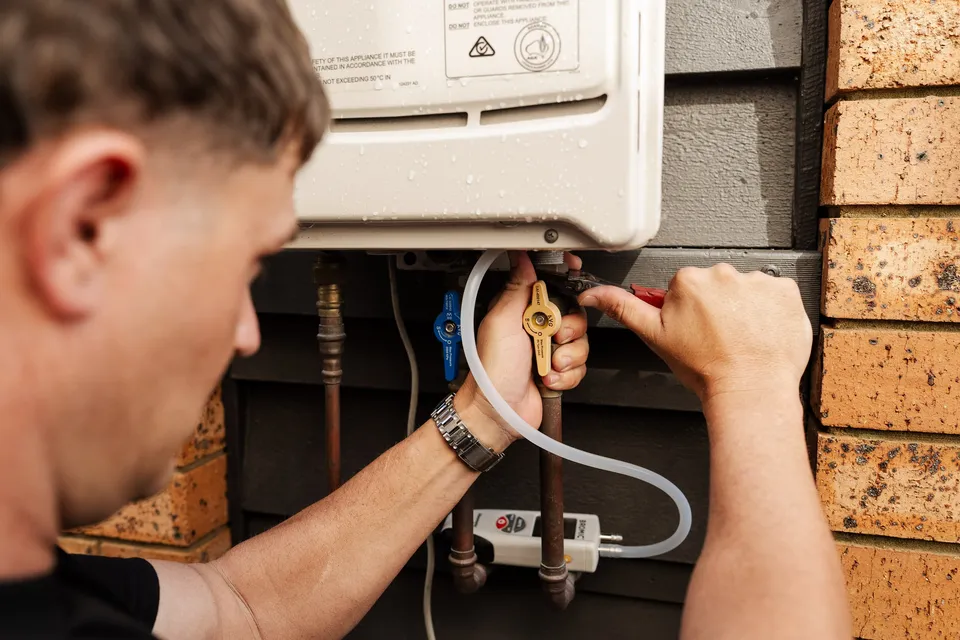
- an essential cooking, heating or hot water appliance giving out
The agreement names the repairer for emergencies, with a phone number, and says who to contact first: the manager, the owner or that repairer. A verbal report to that person is enough to set things moving.
The list reaches further than burst pipes. A fault likely to injure someone, damage property or leave the tenant unduly inconvenienced is listed too, as is a fault that leaves the premises unsafe or insecure. Repairs needed to meet Queensland's minimum housing standards count as emergencies as well.
Anything unlisted is routine.
The older stock here produces its share of emergencies. Galvanised steel service lines under the earliest 1950s houses rust through at the threaded joints, and a soggy patch in the yard often appears before anyone spots a pressure drop. A dead hot water tank in a rented postwar place is urgent for tenant and landlord alike.

Water Efficiency and the Tenant's Share of the Bill
A tenant can be charged for all water use only when every condition is met:
- the place has its own meter, or its water is delivered by vehicle, and it passes the water efficiency test
- the agreement names the tenant as the payer for water
- the owner or manager hands the tenant the bill within 4 weeks of getting it
Miss the 4 week deadline and the tenant does not owe that bill. The tenant then has 4 weeks from receiving it to pay.
The split between what passes on and what stays put matters as much as the deadlines:
- The State bulk water charge and the water usage charges can pass to the tenant once every condition holds.
- The sewerage usage charge stays with the owner or manager, because the Act does not treat it as a service charge.
- The fixed water and sewerage access charges stay with the owner or manager as well.
The efficiency test is a product question, and the details sit on our rental property plumbing page. In short, the fixtures have to be showerheads, toilets and tapware at sinks, basins and laundry tubs that rate as water efficient.
A rental that fails the efficiency test falls back to a different arrangement. The owner or manager pays for a reasonable amount of water. The tenant may be asked to cover only the excess, and only where the place has its own meter and the agreement names the tenant as payer.
The Act leaves "reasonable amount" undefined, so the parties set one as a special term written into the agreement.
An owner hit with a large bill from a concealed leak may have one avenue left: contacting a licensed plumber and the water utility, as a leak remission scheme or extra support may be available.

When to Call a Plumber for a Rental Fault
Call the emergency contact named in the agreement first, because that contact decides who attends and who pays. Tenants, owners and managers all ring us, and the payment rules above sort out the money once the fault is named.
A licensed plumber sorts the repair itself, whether it is a routine drip reported to the manager or an emergency a tenant has arranged under the cap. The full picture of how rental jobs run, from access to paperwork, is covered on our rental plumbing page.
Rental Repair Questions
Call (07) 3523 6484Who pays for a plumbing repair in a Zillmere rental?
The owner or manager pays. Under the Act, they keep the rental in good repair through the whole tenancy, and the tenant reports faults as soon as possible. Routine repairs are then done within a reasonable time, and an emergency a tenant arranges gets reimbursed.
Which plumbing problems count as emergency repairs in a rental?
The Act's emergency list covers a gas leak, a water service that bursts, a toilet that is blocked or broken, a failed supply, flooding, and a dead essential appliance. So is a serious leak on a water service and a supply of gas or water that fails. Anything unlisted is a routine repair.
Is a burst pipe in a Zillmere rental an emergency repair?
Yes, a burst water service counts as an emergency under the Act, and so does a serious leak on a water service. A toilet that is blocked or broken and a water supply that fails are listed as well. The tenant contacts the repairer named in the agreement.
How does a tenant get repaid for an emergency repair?
The tenant hands over the invoice or receipt and requests the money in writing. Under the Act, the owner or manager then has seven days to reimburse the tenant or settle the invoice.

Call Us About a Rental RepairWe'll call you back.
Book on (07) 3523 6484 for plumbing anywhere in Zillmere. We're available 24/7, there's no extra charge for nights, weekends or public holidays, and every job comes with $0 call-out fees.
To claim your $0 call-out fee, call (07) 3523 6484 today.