Repiping Old Pipes in Zillmere
Repiping means swapping the old water supply pipework in a building for new pipe, either the entire house at once or in stages. Repiping Zillmere houses comes up often here, because the suburb's earliest builds date from before the war and the early 1950s. A licensed plumber handles every part of the job, and a fixed quote before any work starts sets out the scope.
If we're late, $100 comes off your bill

- Licensed and InsuredEvery job done by a licensed plumber. QBCC No: 15024607
- Fixed Quote FirstFlat-rate pricing, agreed before any work starts
- Lifetime Labour WarrantyBacked by our Fix-It-or-It's-Free guarantee (T&Cs apply)
- $0 Call-Out FeesNo extra charge for nights, weekends or public holidays
Repairs make sense while a pipe is still sound and a leak is a one-off. Zillmere has plenty of homes where that line has been crossed, and replacement starts to pay for itself. A single burst pipe repair still belongs on the repair side of that line.
Signs Old Water Pipes Need Replacing
Repair suits a pipe that is basically sound with one bad joint. Replacement wins when leaks return again and again on one stretch of pipe, the water comes out the colour of rust, or the flow drops at several taps at once.
The usual culprits behind those signs are old galvanised steel and pre-1989 copper. Australia used lead-based solder on copper joints up until 1989, so the age of the pipework matters as much as its condition.
Each sign tells you something specific:
Leaks that return again and again
One repair after another on the same stretch means the whole pipe is failing, not a single joint.
Water the colour of rust
Discolouration means corrosion is forming on the pipe's inner face.
Weak flow at several taps
Low pressure across the house, not just one outlet, suggests scale or corrosion is narrowing the bore.
Age and condition
Galvanised steel is an old steel pipe with a zinc coating that corrodes from the inside over time.
A hidden damp patch can be the first clue rather than any of these. Our leak detection page covers how that search runs.
What Replaces Galvanised and Old Copper Pipe
Copper and PEX (cross-linked polyethylene) are the two usual replacement materials. The route each line takes decides which one the plumber uses.
Two rules shape the choice:
Placement decides the material
PEX is a flexible plastic pipe that bends around framing, which suits tight subfloors. Copper is a rigid metal pipe that suits straight runs and exposed sections.
Approved products only
The finished work has to meet the code requirements, and every product fitted must be approved under the Act for plumbing.
No lifespan applies to either material as a rule of thumb, because none is sourced for Australian conditions. Condition and placement decide, not a calendar.
What Happens During a Whole-House Repipe
- 1

Inspect the existing pipes
The plumber checks every supply run first to decide which lines need replacing and which can stay. That inspection also confirms what the old pipe is made from.
- 2

Open access to the runs
Pipes travel inside walls, under floors and through the subfloor. The plumber opens access to each run that needs replacing.
- 3
Build the new line next to the old
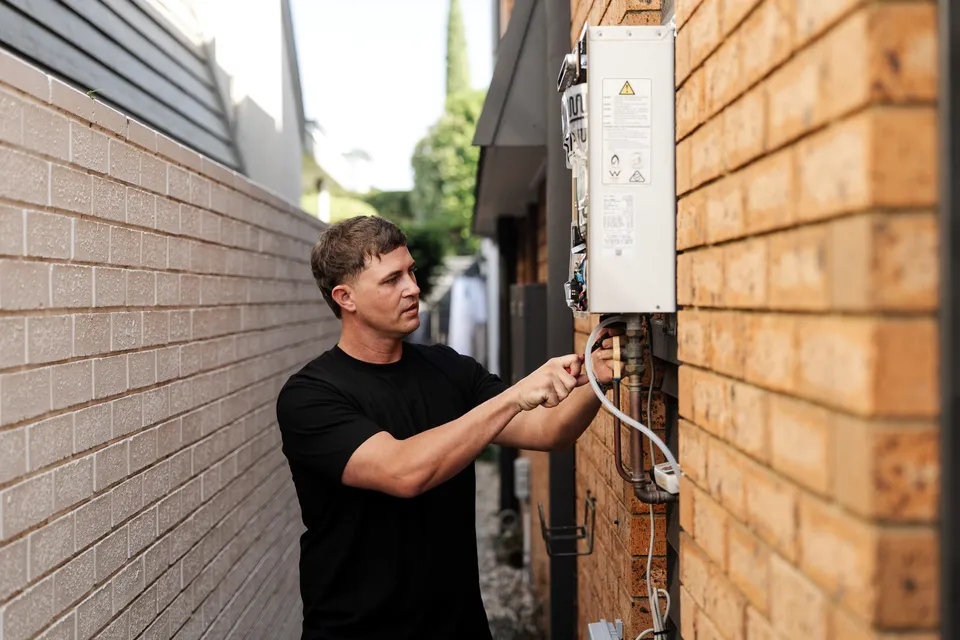
The new pipework is laid out next to the old lines while the supply stays on, so the home keeps its water through most of the job.
- 4

Connect and test
The water is shut off for the tie-in at the meter and the fixtures. Every new joint is then tested before the supply returns.
Plumbing job in Zillmere?
$0 call-out fees, available 24/7, and same-day where we can.
Where the Oldest Supply Lines Sit
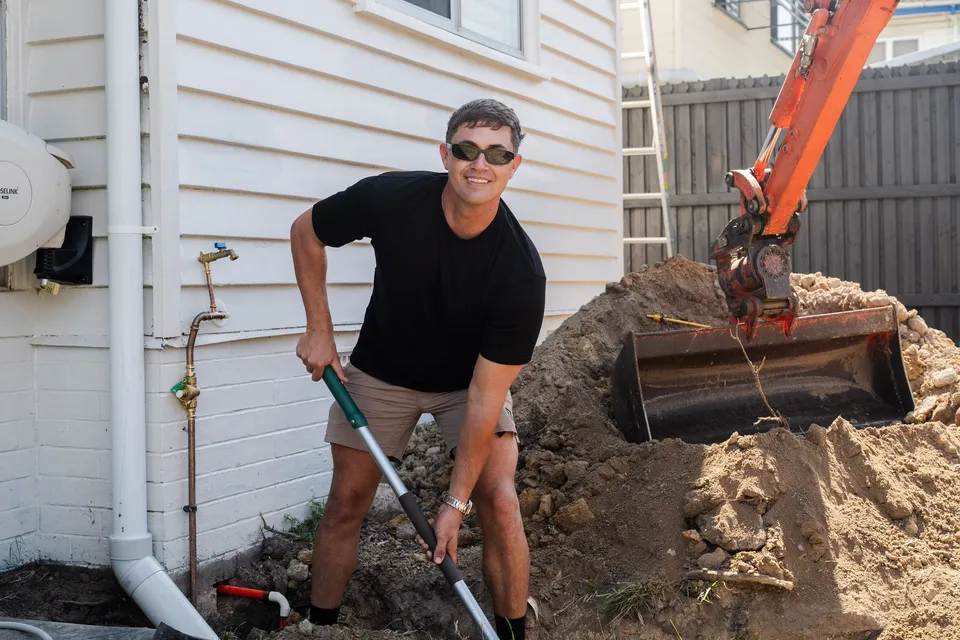
The pre-1940 farm-era cottages and the earliest 1950s houses are the likeliest addresses for a repipe here, since galvanised steel supply was the standard of their era. St Flannan's School on Beams Road opened in 1954, right as the postwar build-out was filling the suburb, and the housing around that period is now well past its second or third generation of pipework.
Corroded galvanised service lines under those early houses tend to fail at a threaded joint, and the result is often a wet patch in the yard before anyone notices the pressure drop. That failure pattern is why the signs above matter: by the time one joint weeps, the rest of the run is usually close behind.
How We Quote and Carry Out a Repipe
- 1

Call or message us
Ring (07) 3523 6484 or use the form and describe what's going on in Zillmere. A few details up front mean the right gear comes on the first trip.
- 2
We map the runs and stage the job
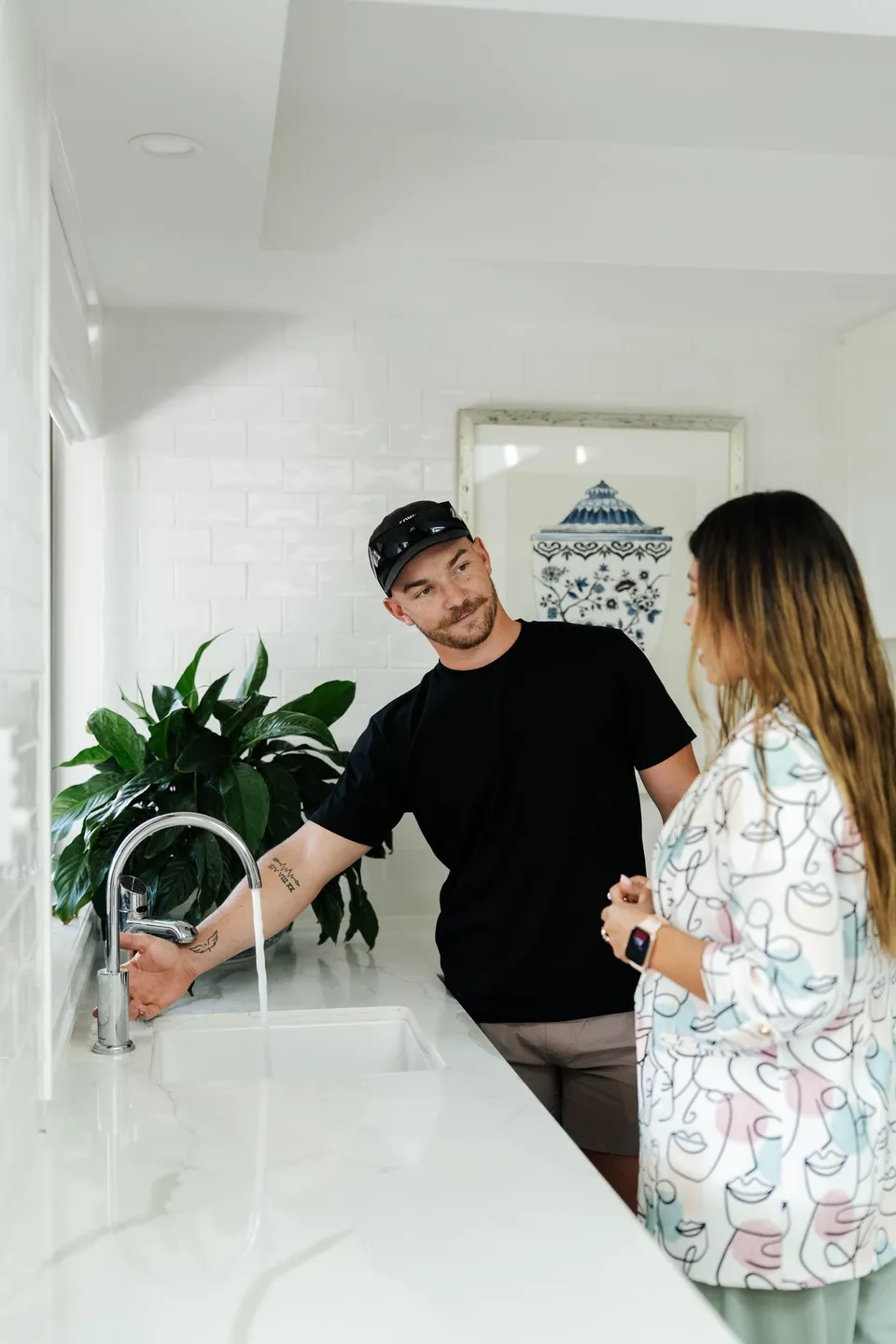
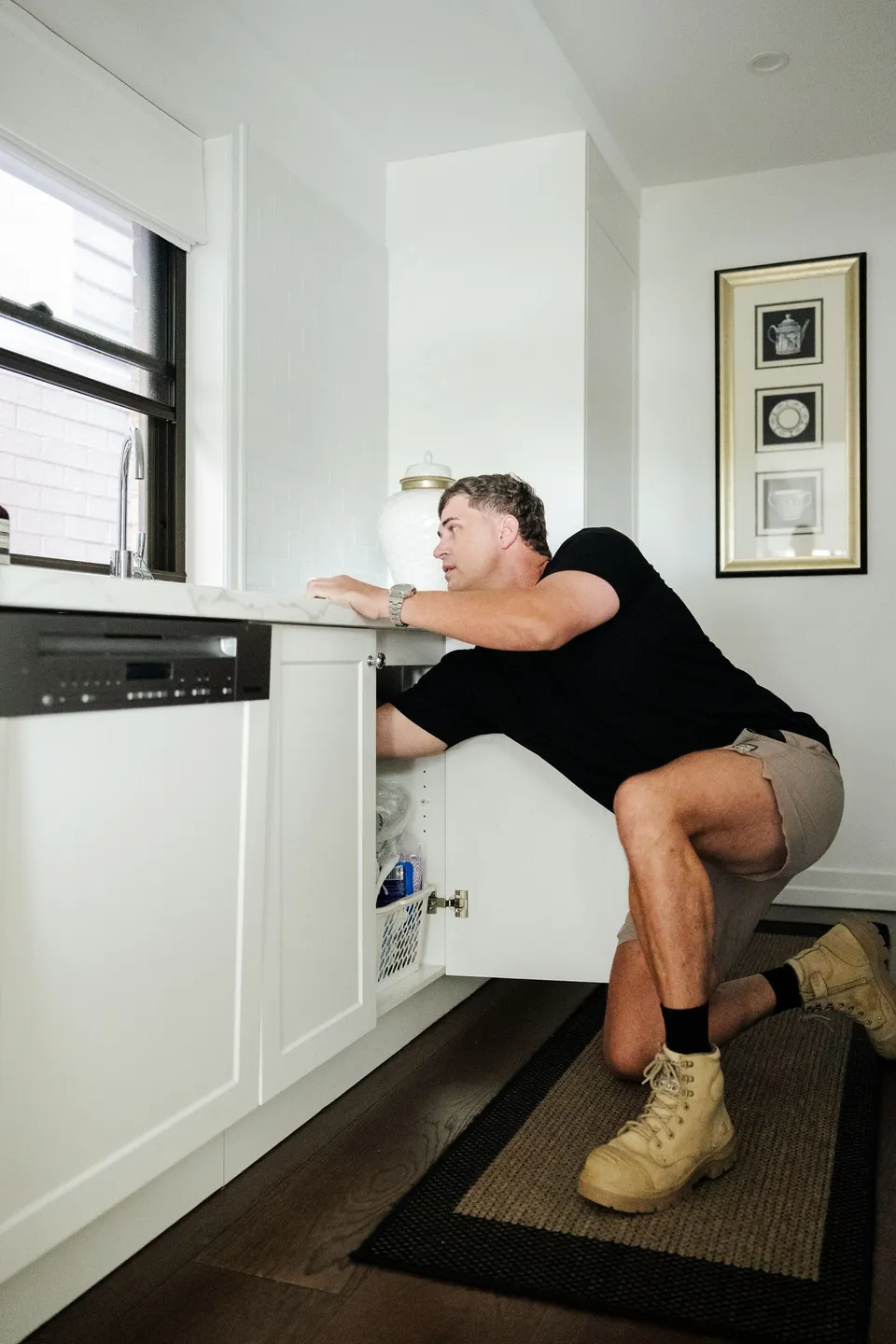
We walk the house, trace the old supply lines and agree whether the repipe covers the whole place or starts with the worst section. The quote then reflects the pipe we find, the access we open and the fixtures we reconnect.
- 3
Fixed quote, then the work
We give you a fixed quote before any work starts. It's flat-rate pricing with no hidden fees, and we only start once you approve it.
- 4
Settle up your way
Card and EFTPOS payment on site when the job's finished, or Fix now, pay later if that suits you better.
What the Owner Should Receive After a Repipe
Replacing the supply pipes in a home that already stands counts as notifiable work, which a licensed plumber carries out. No permit from council applies. The plumber notifies the QBCC on a Form 4 within 10 business days of finishing, and the owner is owed a copy.
Your rights as the owner continue past the job:
The QBCC registers the work
Its online records show the Form 4 against your address.
You can request the paperwork
The QBCC will provide a copy of the Form 4 if one never reached you.
A council check stays open for a year
For a year after the QBCC receives the completion notice, the council can ask to inspect the repipe, if the occupier agrees, to check it complies with the code requirements.
Work on a newly constructed home falls under permits instead, which is a different category. Fixing one broken pipe is minor work, and our water pipe repairs page covers that side of things.
Repiping Questions From Zillmere
Call (07) 3523 6484Does repiping a house need a council permit in Queensland?
No, a permit from council is not needed for a repipe anywhere in Queensland. The work counts as notifiable work, so the plumber notifies the QBCC on a Form 4 within 10 business days of finishing, and the owner is owed a copy. A unit owner should have the plumber check which category applies.
How do I check a repipe was registered?
Search the QBCC's online registers. They show whether the plumber is licensed and whether the QBCC holds a Form 4 on file for the address. You can also ask the QBCC directly for a copy of the Form 4, and lodge a complaint if one never arrived.
What materials replace old galvanised pipes?
Copper pipe and PEX, a flexible plastic line, are the usual replacements. The route each line takes decides which one the plumber uses, and every product fitted must be approved under the Act for plumbing.
How long does repiping take in Zillmere?
The scope sets the timeframe, and no fixed duration applies. How big the place is, how many fixtures need reconnecting, how long the runs are, how easy the access is, and whether the job is staged all matter. The quote pins down the scope before anything starts.
Will I have water while my Zillmere house is repiped?
Yes, for part of the job. The new line is laid out next to the old pipework while the supply stays on. The water is shut off only for the final tie-in, then every new joint is tested before the supply returns.

Book Your Repipe With UsWe'll call you back.
Book on (07) 3523 6484 for plumbing anywhere in Zillmere. We're available 24/7, there's no extra charge for nights, weekends or public holidays, and every job comes with $0 call-out fees.
To claim your $0 call-out fee, call (07) 3523 6484 today.